
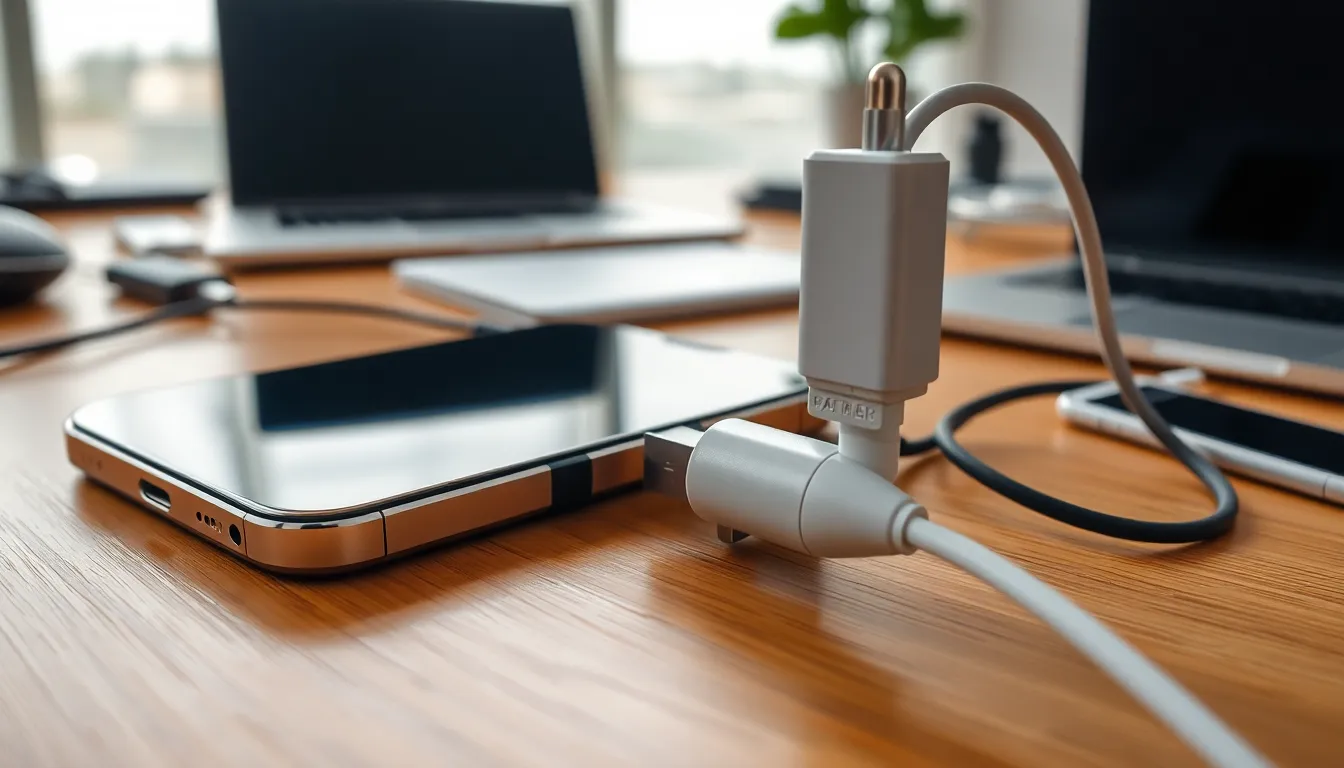
As the iPhone 14 struts into the spotlight, many are left wondering if their trusty old charger can keep up with the latest tech. After all, who doesn’t want to avoid the dreaded “low battery” panic while scrolling through memes? The good news is that most chargers from previous models still pack a punch, but there are a few quirks to consider.
Overview of iPhone 14 Charging
The iPhone 14 supports both wired and wireless charging methods. Compatibility with older chargers is a key feature. Many users find that chargers from models like the iPhone 12 and iPhone 13 function well with the iPhone 14. They can continue to charge devices at similar rates, provided they are equipped with a USB-C connector.
Charging speed varies depending on the wattage of the older charger. Apple’s 20W charger provides optimal performance, while chargers with lower wattages may charge more slowly. Users should note that third-party chargers might not deliver the same efficiency or safety as original equipment manufacturer (OEM) options.
Wireless charging uses magnetic alignments to optimize efficiency. MagSafe charging provides up to 15W for compatible accessories, while standard Qi chargers generally max out at 7.5W. For those who prefer convenience, using a MagSafe charger with the iPhone 14 significantly enhances the charging experience.
Battery longevity remains an important consideration. Regularly using low-quality or outdated chargers may affect battery health over time. Apple recommends using certified chargers and cables to maintain optimal performance and safety standards.
Most users won’t face issues with power integrity when switching from older chargers. Transitioning from a previous model can be seamless, allowing users to utilize existing charging accessories. Understanding charger specifications enables users to achieve satisfactory charging results with the iPhone 14.
Compatibility of Old Chargers
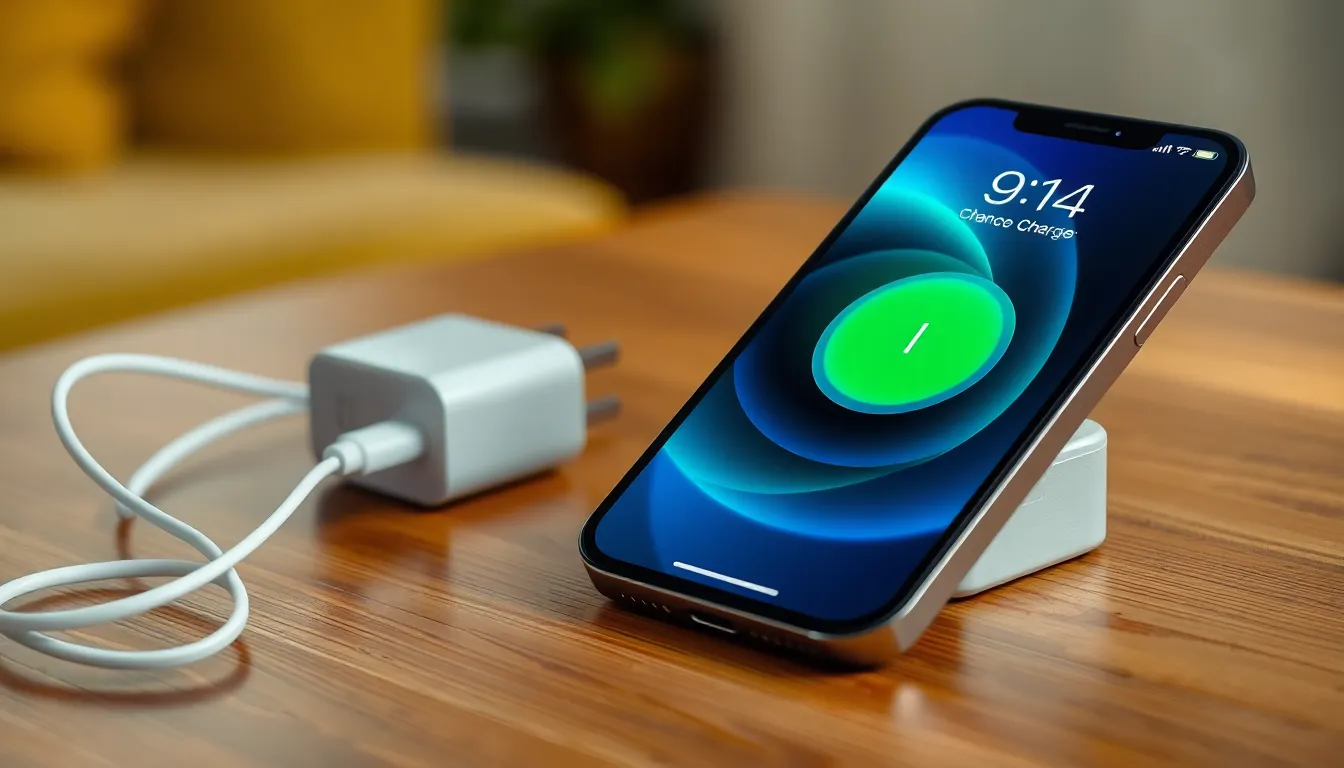
Compatibility with older chargers often remains a concern for users transitioning to the iPhone 14. Many previous chargers, like those from the iPhone 12 and iPhone 13, maintain effectiveness with this new model.
Types of Chargers for iPhone 14
Various types of chargers support the iPhone 14. Standard USB-A to Lightning cables connect well, but USB-C options facilitate faster charging. Apple’s newer chargers, like the MagSafe charger, utilize magnetic alignment for quicker power delivery. Wireless charging pads also work, but their efficiency may vary. Certified third-party chargers offer additional options as long as they meet Apple’s quality standards.
Power Output Requirements
Power output is essential for optimal charging performance. Apple’s 20W charger delivers the best charging speeds for the iPhone 14. Users can still utilize chargers with lower wattage, such as 5W or 12W, but these provide slower charging rates. Higher wattage chargers, like 30W or above, can charge the device quickly without risk of damage. Consistently using low-quality or unsupported chargers may affect battery health over time.
Performance of Old Chargers with iPhone 14
Older chargers, including those from the iPhone 12 and iPhone 13, maintain compatibility with the iPhone 14. Most users will find that charging rates remain similar, especially when utilizing chargers with a USB-C connector.
Charging Speed Comparison
Charging speed directly correlates with the charger wattage. Apple’s 20W charger offers optimal performance, delivering rapid power to the iPhone 14. While utilizing lower wattage chargers, such as 5W or 12W, results in slower charging times. Users should expect reduced efficiency when using these older options. For quicker charging, opting for a charger with 30W or higher is beneficial. This choice ensures that the device reaches full capacity efficiently without compromising battery health.
Safety Considerations
Using certified chargers is critical for maintaining battery safety and longevity. Low-quality or outdated chargers may pose risks, including overheating and battery degradation. Choosing chargers from reputable brands and ensuring they meet Apple’s certification standards reduces these risks significantly. It’s important to avoid generic chargers that lack certification, as they might damage the iPhone 14’s battery over time. Prioritizing quality ensures that the device remains functional and safe while charging with older chargers.
User Experiences and Reviews
Many users report satisfaction with using older iPhone chargers for their iPhone 14 devices. Charging capability remains strong for those who utilize chargers from models like the iPhone 12 or iPhone 13. Performance varies slightly, depending on the wattage; for instance, Apple’s 20W charger consistently delivers optimal charging speeds.
Consumption increases with lower wattage chargers. Those relying on 5W or 12W options experience noticeably longer charging times. Optimizing charging becomes easier with 30W or higher chargers, allowing faster replenishment without harming battery health.
Users emphasize the significance of certified chargers to maintain battery strength and safety. One user mentioned an experience with a non-certified charger leading to excessive heat generation, which caused concern for battery longevity. Maintaining quality in charging accessories helps prevent potential issues related to overheating and degradation.
Charger types also shape user preferences. Many favor USB-C to Lightning cables for efficient charging. Some opt for wireless charging pads, appreciating the convenience despite occasional slower results compared to wired options. Apple’s MagSafe charger has garnered positive feedback for its magnetic alignment and efficiency.
Feedback consistently indicates a smooth transition from older chargers to the iPhone 14. Understanding specifications becomes crucial for users wanting to maximize charging performance while ensuring device safety. Ultimately, most find that they can confidently use their existing chargers without significant concerns.
The iPhone 14 is compatible with many older chargers, making it easy for users to transition without needing to invest in new accessories. While using older chargers can be convenient, it’s crucial to prioritize certified options to ensure safety and battery longevity. Users should be mindful of the wattage, as higher wattage chargers will provide faster charging times. Overall, the experience with older chargers has been positive, reinforcing that with the right precautions, charging an iPhone 14 can be both efficient and safe.


